HISTORY & PLACES · JINSAN · JEONJU
Walk through memory.
Journey toward peace.
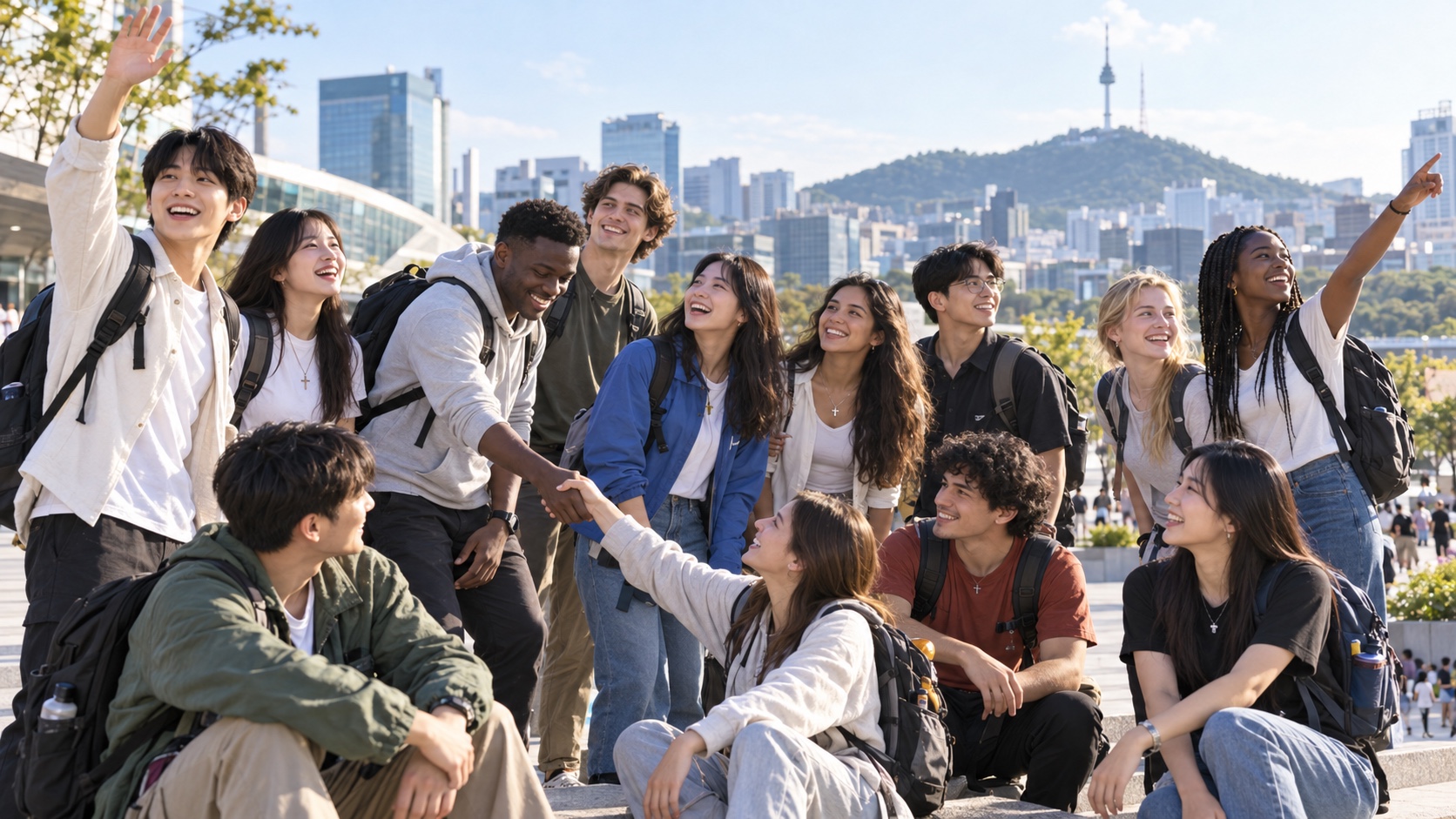
From Jinsan to Jeonju. Encounter the memory of faith and villages near Daedunsan, and reflect on peace with young people from around the world.
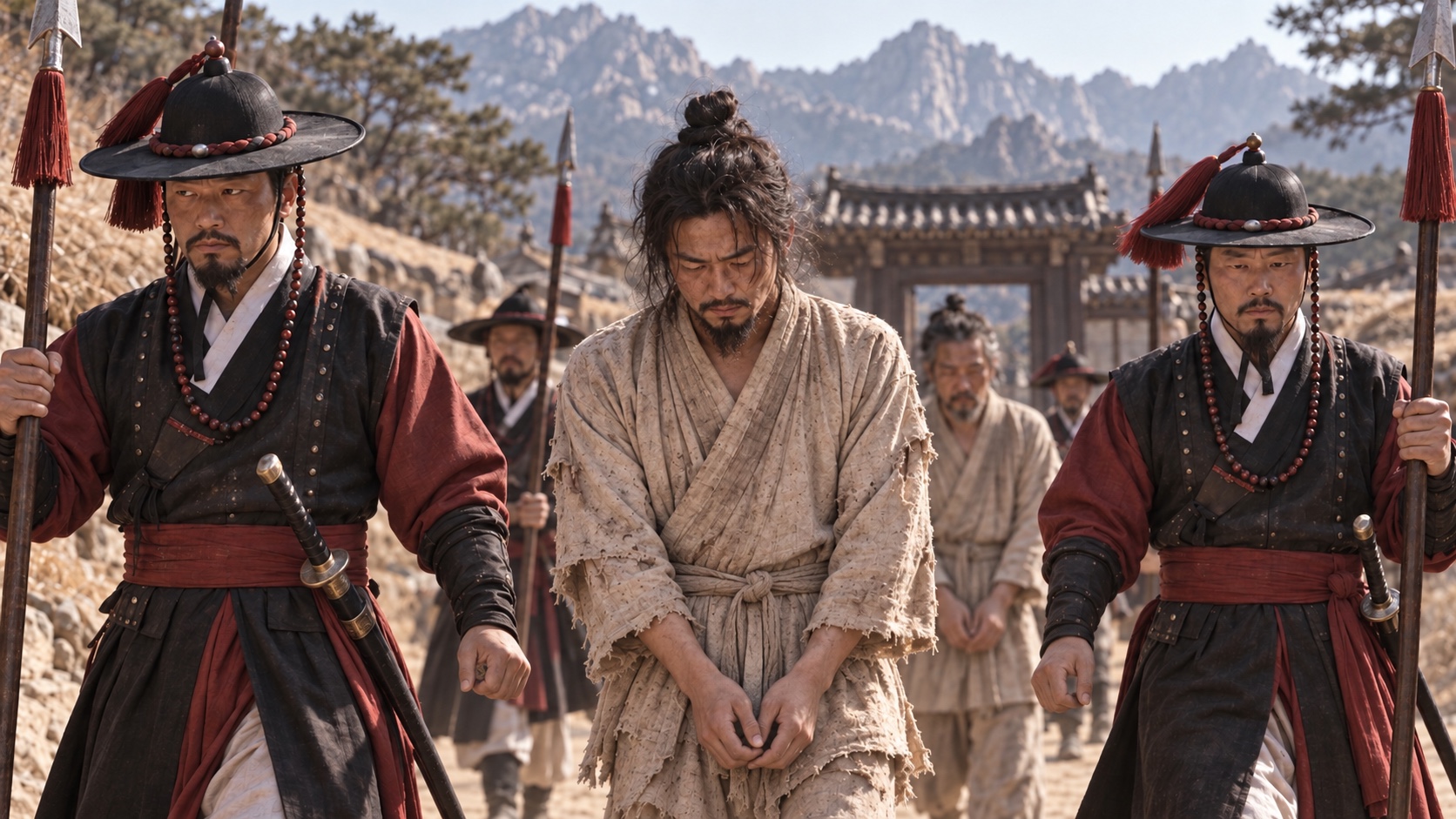
AI-created image · a creative interpretation of history and landscape
MEMORY · ENCOUNTER · PEACE
One journey, three encounters.
A road of remembrance, a future of peace · film and evidence
A history of faith through petitions, investigations, judgments and transfers.
Read the story →Places & regions
Discover stories of Jinsan, Daedunsan and Jeonju.
Read the story →2027: toward peace with the world’s youth
Let remembrance become an encounter across cultures.
Read the story →A ROAD OF REMEMBRANCE
From memory to peace
Adapted from historical records. 3:10 · English narration and subtitles.
Film transcript
- Late eighteenth-century Korea, under King Jeongjo of the Joseon dynasty. Confucian customs and ancestral rites sustained family life and the order of the state. In 1784, Lee Seung-hun’s baptism in Beijing helped establish a growing Catholic community in Korea. For those embracing this faith, ancestral worship became a conflict of religious conviction and the expectations of society.
- 1791. Jinsan, in Jeolla Province. Following his mother’s final wishes, Yun Ji-chung held her funeral according to Catholic rites. The court learned that he and Kwon Sang-yeon had followed Church teaching by burning ancestral spirit tablets and refusing ancestral worship. These tablets embodied remembrance of deceased family members. Some officials regarded their actions as a challenge to the Confucian order and demanded severe punishment.
- The magistrate of Jinsan was ordered to arrest them. Hearing of the warrant, Yun Ji-chung fled to Gwangcheon in Chungcheong Province, while Kwon Sang-yeon sought refuge in Hansan. But Yun’s uncle was imprisoned in his place. On learning this, the two men left their refuges and surrendered at the Jinsan office.
- Yun and Kwon were transferred to the provincial governor’s office in Jeonju for interrogation. Despite repeated pressure to renounce their faith, neither yielded. The governor sent his report to the royal court, and King Jeongjo approved their execution. Facing death, the two men remained faithful to Catholic belief.
- On the eighth of December, 1791, Yun Ji-chung and Kwon Sang-yeon died as martyrs outside Jeonju’s south gate. Today, Jeondong Church commemorates that history and their fidelity to faith.
- Ten years later, in the first year of King Sunjo’s reign, Queen Dowager Jeongsun governed as regent. Her edict against Catholicism marked the beginning of the Sinyu persecution. Yun Ji-heon, who had moved to Undong in Gosan after his brother Ji-chung’s martyrdom, was also arrested.
- Ji-heon was taken from Jeonju to Hanyang, the capital now known as Seoul, for investigation, then returned to Jeonju. He remained faithful and died as a martyr on the twenty-fourth of October, 1801. Their lives belonged to different moments in history, joined by faith and resolve.
- Today, we remember their lives along the roads of Jinsan, Wanju and Jeonju. What do we cherish enough to shape our lives? How do we honour the dignity of someone whose beliefs differ from ours? Pilgrimage carries the memory of the past into the choices we make today.
- In 2027, the world’s young people will gather in Korea for World Youth Day in Seoul. Across languages and cultures, we move forward together, sharing faith and hope. Sabujak: small, unhurried steps. Walking through memory, toward a future of peace.
PEOPLE · CONSCIENCE · RECORDS
The context of the Jinsan incident
In late Joseon, ancestral rites became a point of conflict between Catholic belief and state order. The Jinsan incident of 1791 brought faith, family ritual and social norms into tension.[4]
Paul Yun Ji-chung
Born in Jinsan in 1759, Yun Ji-chung was baptised in 1787. In 1791 he followed his mother’s final wishes by holding her funeral according to Catholic rites. After fleeing an arrest warrant, he learned of his uncle’s imprisonment and surrendered at the Jinsan office. He was transferred to Jeonju and died as a martyr outside its south gate on 8 December.[1]
James Kwon Sang-yeon
Kwon, born in Jinsan in 1751, was Yun’s relative. He shared the commitment to their faith and died as a martyr outside Jeonju’s south gate on 8 December 1791. His baptismal name is James.[2]
Yun Ji-heon and community memory
Yun Ji-heon, Ji-chung’s younger brother, moved to Undong in Gosan after his brother’s martyrdom and died as a martyr in Jeonju on 24 October 1801. The bishops’ biography associates Undong with present-day Sanbuk-ri in Unju-myeon, Wanju.[3]
2014: lives remembered by the Church
A beatification Mass for Yun Ji-chung and 123 companions took place in Gwanghwamun, Seoul, on 16 August 2014. The Church honours their faith and lives and carries their memory forward.[11]
Reading history toward peace
Pilgrimage offers time to consider what you cherish in life. Listen to people whose convictions differ from yours and practise peace through respect for one another’s dignity.
PLACES ALONG THE MEMORY
Places & regions
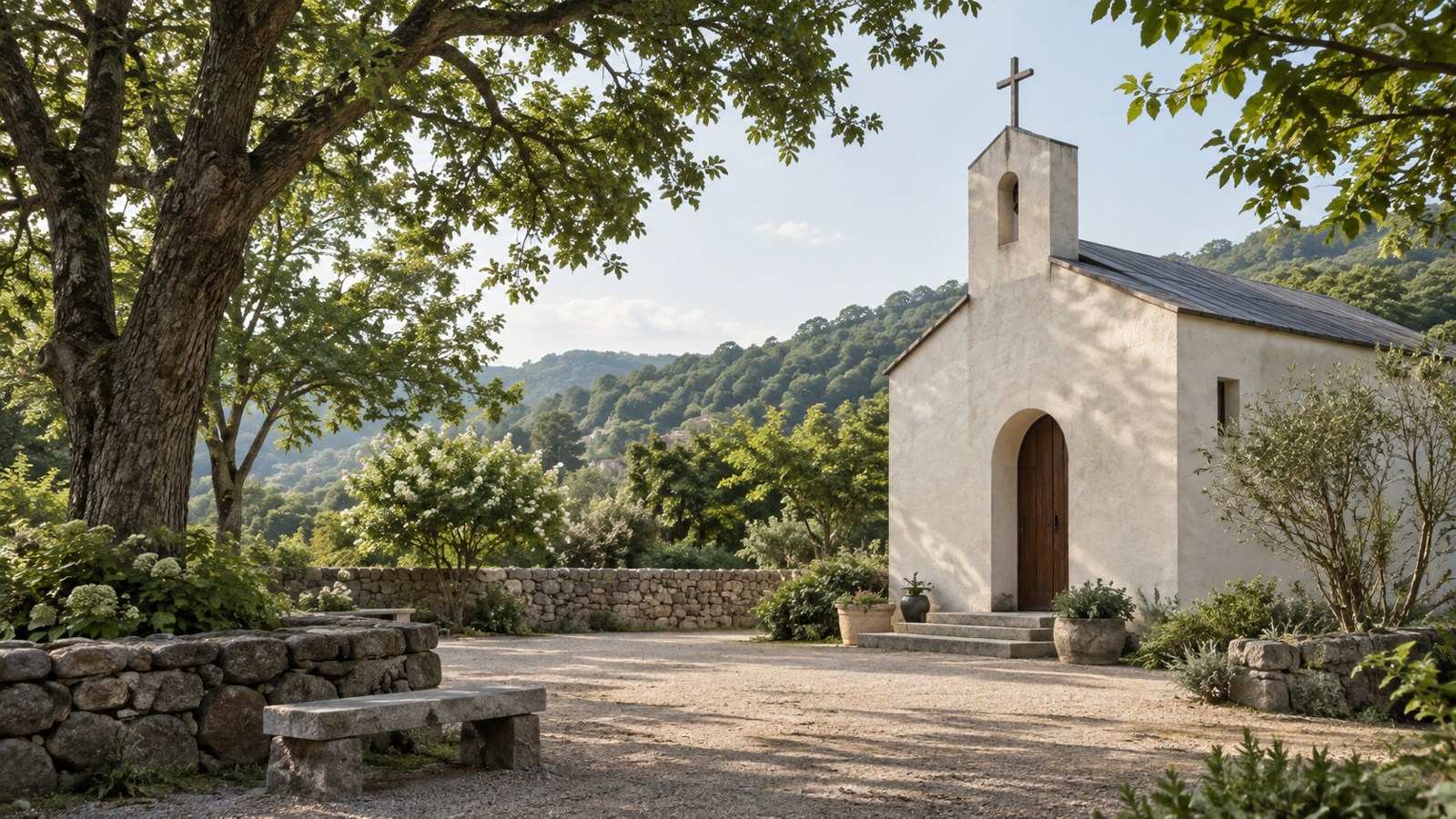
Jinsan: understanding the beginning
A starting region for discovering the lives and faith of two martyrs.
Read the story ↗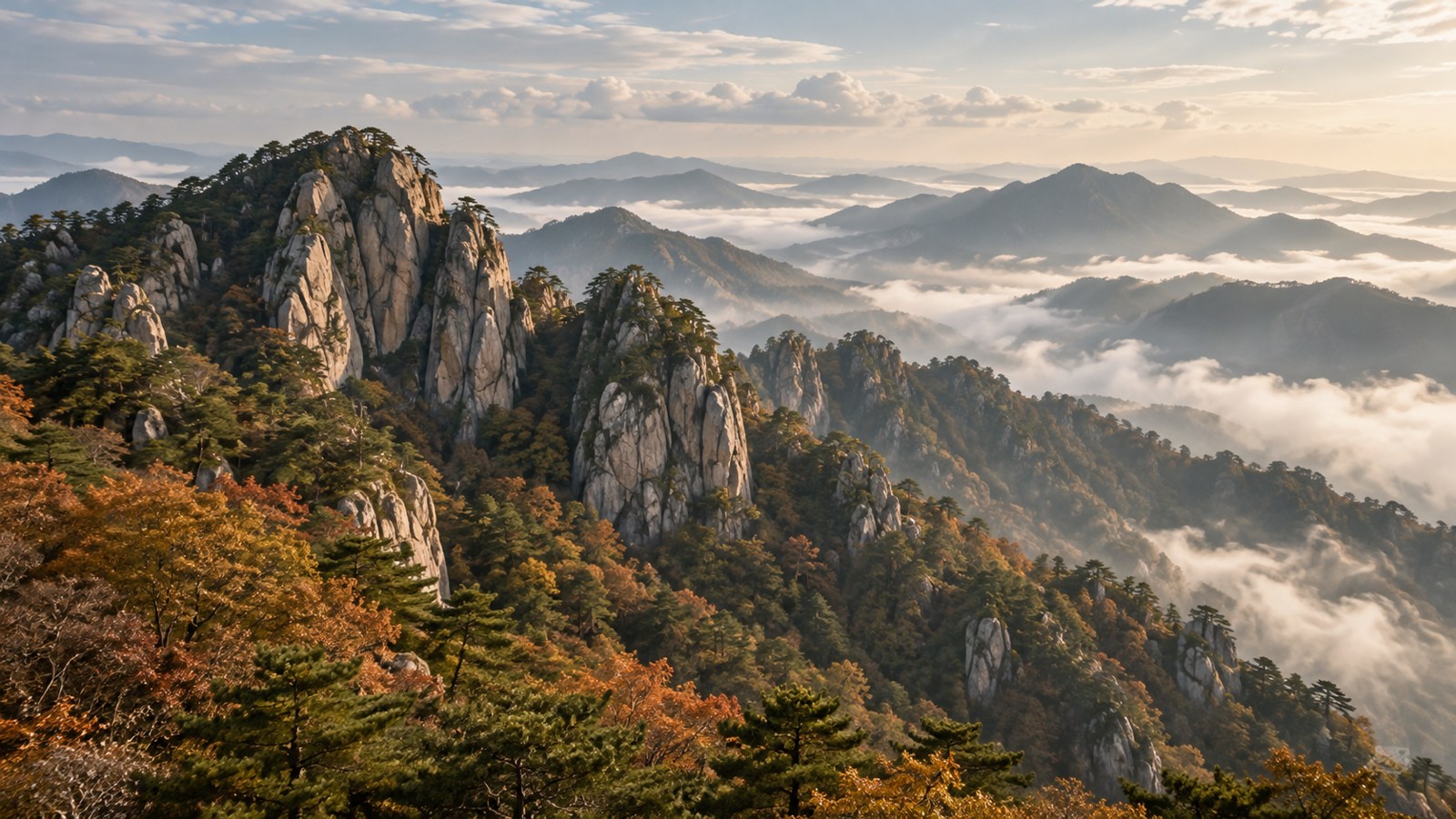
Daedunsan: a horizon for remembrance
See the mountain’s beauty together with the realities of walking.
Read the story ↗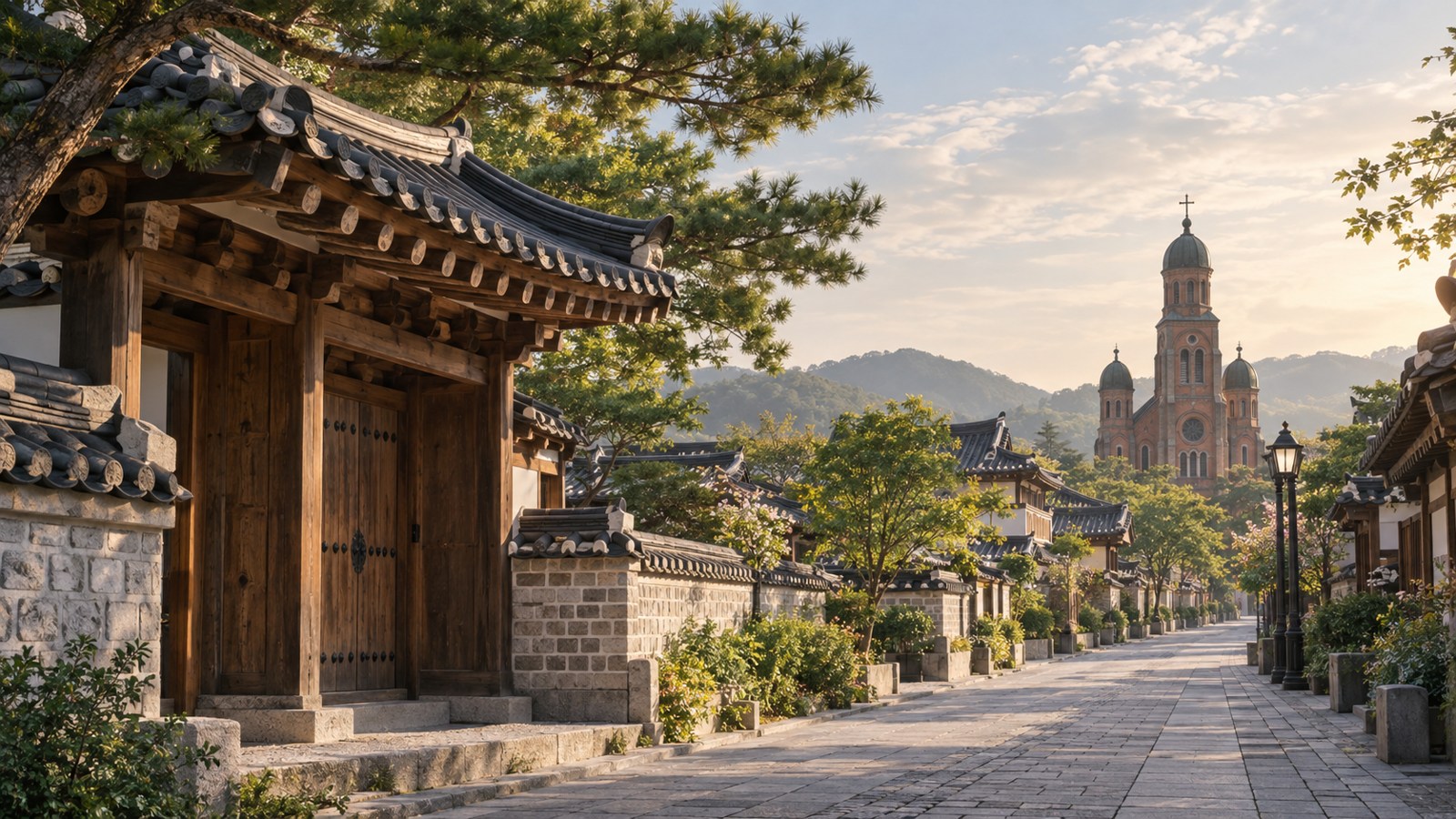
Jeonju: different places, distinct memories
The governor’s office, remembrance outside the south gate and encounters at the shrines.
Read the story ↗HISTORY ON THE MAP
Trail & map
Dashed lines show the trail development proposal linking places and regions. Pins reveal shrines, address-based places and regional centres with their stories.
Map and satellite tiles require internet access. The coordinate overview and place list below also work offline.
My visit notes
Choose Add, then select a location on the map. Personal notes are saved only in this browser and can be downloaded.
Geographic overview · Offline view
AI-created image · a creative interpretation of history and landscape